Chiang Mai · Formats
Indoor team building in Chiang Mai
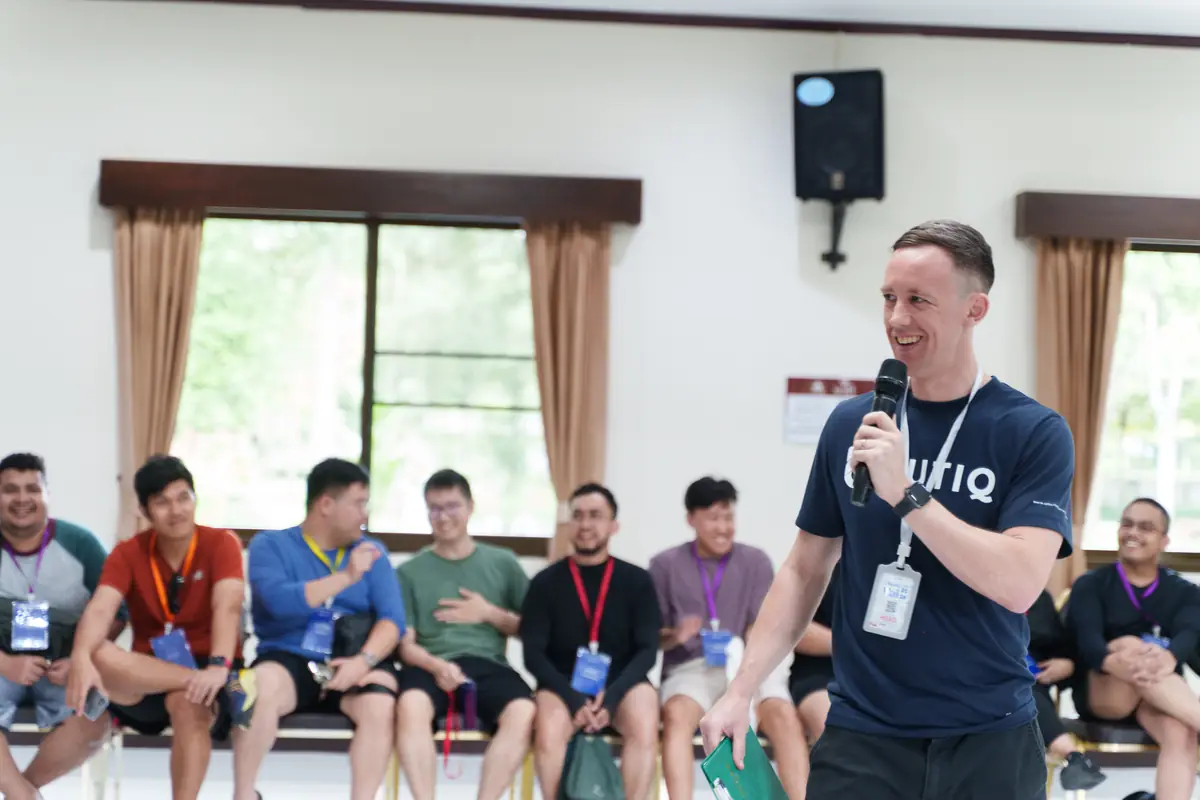
Not every corporate day in Chiang Mai can run outside. Rain in the green season, haze in March–April, tight hotel schedules, and mixed fitness levels all push sessions indoors. That is not a compromise if the design is built for a room from the start.
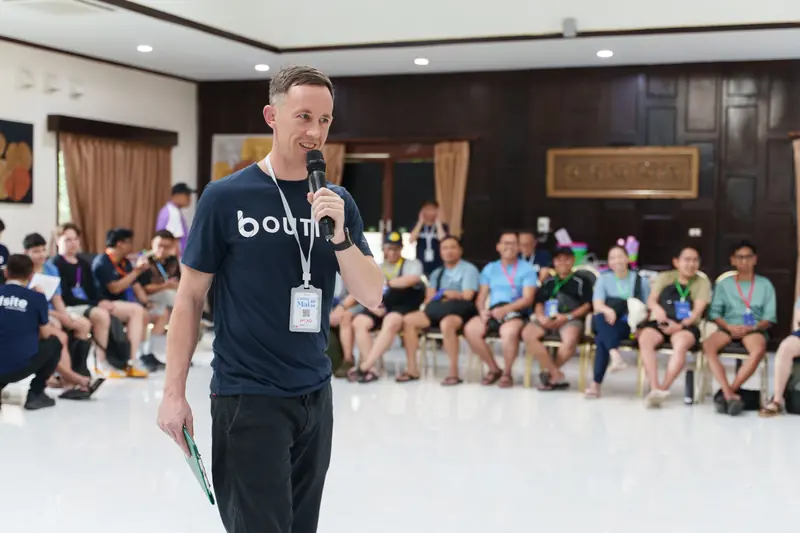
We run facilitated team building in Chiang Mai in ballrooms, meeting rooms and villa living spaces as often as outdoors. The same rules apply: pairs and small groups, native English delivery, no mandatory solo spotlight.
When indoor is the better default
- Weather risk — afternoon storms in May–October, or smoke season when outdoor effort is unpleasant (live air-quality readings from Chiang Mai University)
- Hotel MICE blocks — the group is already in-house for meetings; moving everyone off-site costs time
- Accessibility — uneven trails or heat are a real barrier for part of the team
- Focus — strategy and communication work often lands better without sun and noise
For broader destination trade-offs, see Chiang Mai vs Bangkok vs Phuket. Season timing is covered in Offsite Thailand’s guide to the best time for a company retreat in Thailand.

What works in a hotel room
Indoor does not mean sitting in a circle sharing feelings. Strong room-based modules still create movement, decision pressure and debrief — without needing a field or a pool.
- Problem-solving challenges that scale from tables of four to larger rotations
- Communication and prioritisation tasks with clear scoring and a short debrief
- Low-equipment formats that clear in under ten minutes so the room returns to meeting mode
Group size still matters. Eight to twenty-five people fit most standard meeting rooms. Larger groups need a ballroom or parallel stations — the same staffing logic as on our Chiang Mai packages.
Half-day vs full-day indoors
A half-day (about 3–4 hours) is the most common indoor request: mornings after a keynote, or an afternoon block before a dinner. Full days work when you want two modules plus a longer close, still without leaving the property.
If the team is flying in for several nights, fold facilitation into a wider Thailand retreat rather than treating the indoor day as a bolted-on activity catalogue.
What hotels and EAs should prepare
- Clear floor space or movable tables — fixed theatre seating limits options
- Working AV only if you need slides; most of our modules do not depend on a projector
- A realistic headcount and any hard constraints (language mix, mobility, no physical contact)
- One point of contact on the day for room timing and F&B
We can plug into existing MICE programmes — see the hotel partner angle on the homepage under Hotel & Hostel MICE — or design the facilitation block alone while you keep venue and meals. For what a typical session looks like from arrival to debrief, see what to expect on a team building day in Thailand.
Indoor is not “lesser”
Teams often assume outdoor equals memorable. What people remember is whether the day felt useful and whether quieter colleagues could take part. Indoor facilitation, done properly, usually scores higher on both than a rushed outdoor challenge in bad air or rain.
If you are comparing formats, start with the goal and the calendar (how to plan team building in Thailand walks through both). The room often wins.